
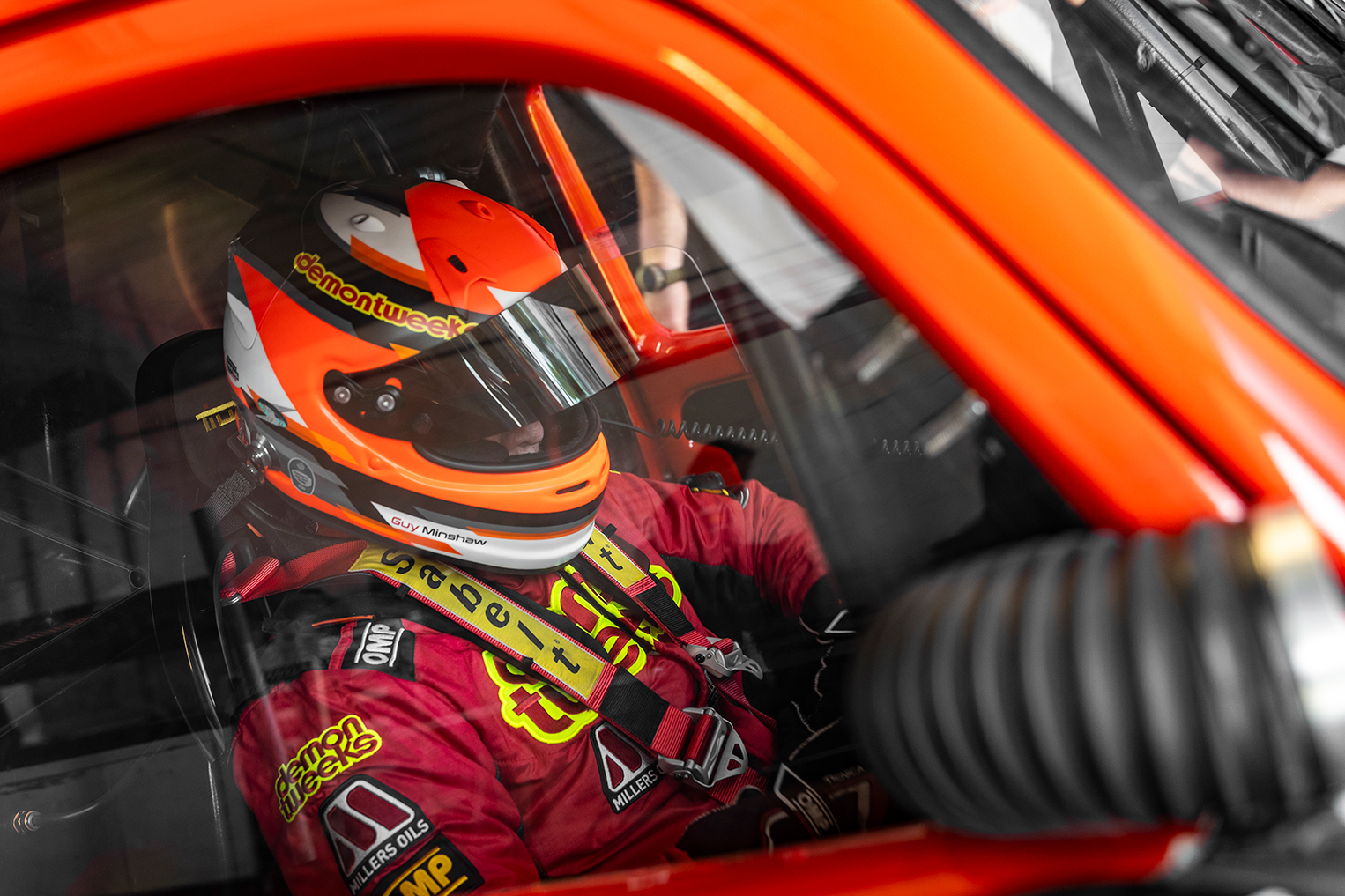
So, you’re taking your first steps into the exciting world of competitive motorsport…
Whether you are entering club racing, rallying, sprints, owner-driver karting or something else, it can be difficult to know what to buy. Each category of racing may all need different equipment, standards and preparation.
This guide is designed to help beginners prioritise what is needed and what can wait. Rather than telling you to buy everything at once, we will break down what is usually worth sorting first, what depends on your discipline, and what can often wait until you understand your class, regulations and level of commitment.
Start with the rules…
Not the shopping basket.
Before buying any motorsports equipment, you need to decide what you are preparing for. There is no single shopping list that applies to every newcomer, because the right priorities will depend on discipline, the event and the regulations you need to meet.
Why your discipline changes the list
A driver preparing for a first circuit race will have different requirements from someone entering a sprint, rally, karting event or anything else. Some disciplines place greater emphasis on personal racewear, while others may require more vehicle preparation, specialist equipment or class-specific components.
That is why it is worth deciding where you want to compete before committing to major purchases. The same helmet, suit, harness or vehicle part may not be suitable, required or approved for every form of motorsport.
Check your specific regulations
Once you have an event, club or championship in mind, check the latest regulations before buying. These will set out the required standards for personal safety equipment, vehicle safety systems and any class-specific rules.
Pay particular attention to approval labels, expiry dates, fitment requirements and whether equipment must be used alongside compatible items. If you are unsure, contact the organiser, club or championship before ordering rather than assuming an item will be accepted at scrutineering.
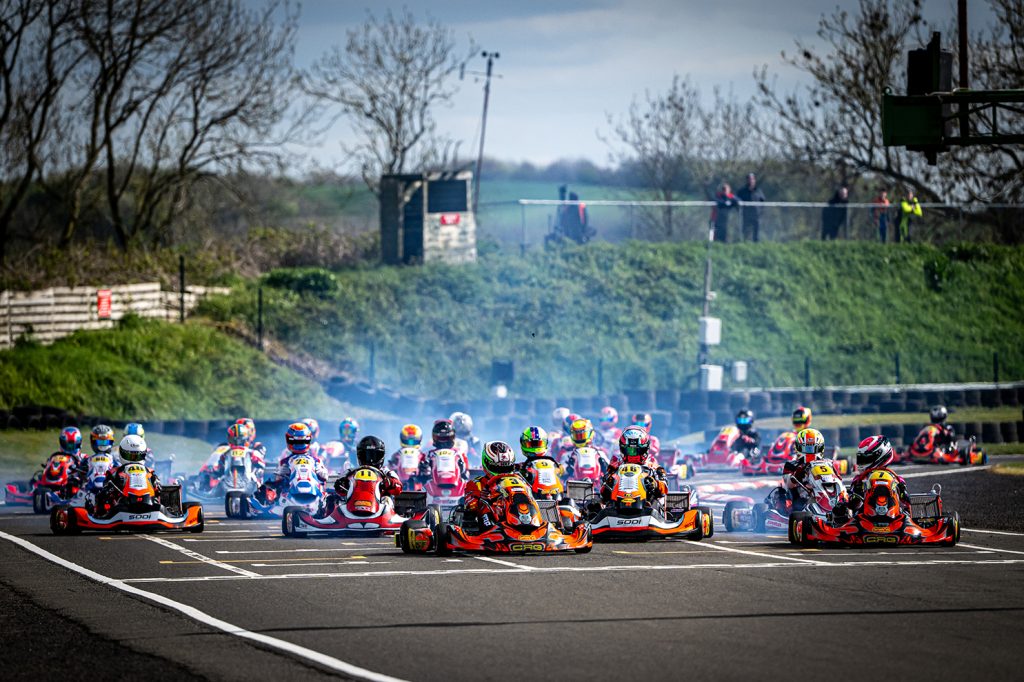
First essentials: Safety kit
No matter your budget, your first priority should always be protecting yourself with the correct, approved equipment. Before you think about spending money on performance upgrades, paddock extras or convenience items, ensure you are sorted with the personal safety kit required for your discipline.
The exact list will vary depending on the event and regulations, but for many, this is likely to include a helmet, racesuit, gloves and boots. In some forms of motorsports, fire-resistant underwear and an FHR device may be required.
Helmet
A helmet is often the first major safety purchase. It needs to meet the correct standard for your discipline, fit securely and work with any other equipment you may need to use, such as an FHR or intercom system.
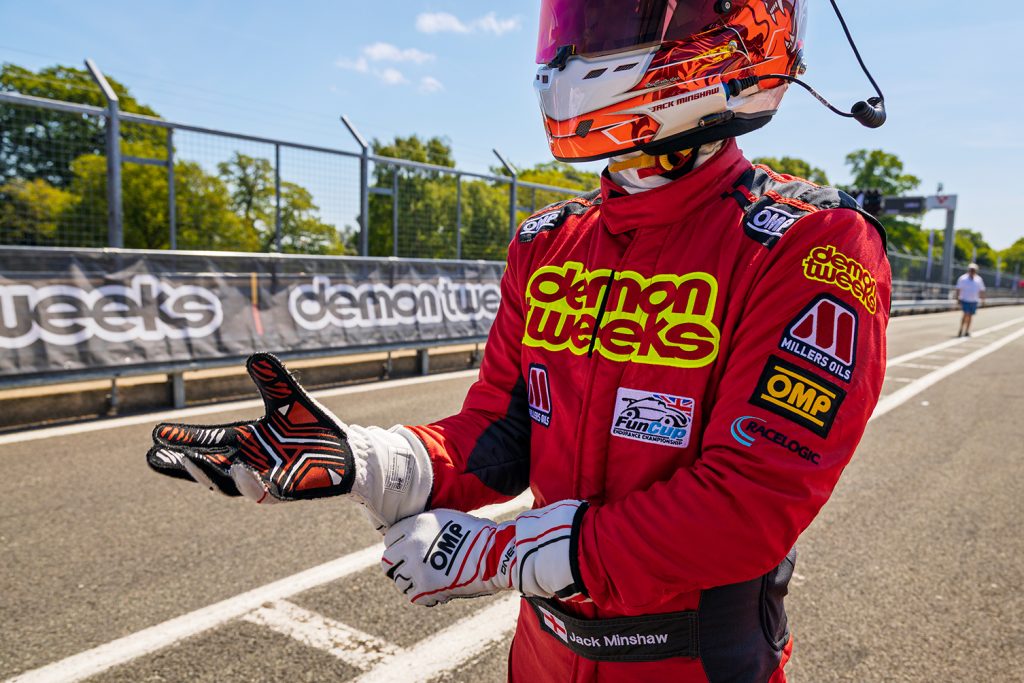
Racesuit, gloves and boots
Race suits, gloves and boots are not just about appearance. They are designed to provide protection while allowing the driver to move comfortably and maintain control of the vehicle.
Always check the required approval standard before buying, particularly if you are entering regulated competition.
Fire-resistant underwear and FHR devices
These items may not apply to every beginner, but they should not be treated as optional where regulations require them. Fire-resistant base layers can form part of the wider safety system, while an FHR device must be compatible with the helmet, harness and seating position.
If you are unsure about fit, approval or compatibility, visit the Demon Tweeks store in Wrexham to try on racewear and helmets in person and speak to the team for expert guidance. For online helmet orders, Demon Tweeks also offers an exchange service if the fit isn’t right, with free collection and re-delivery of a replacement size (UK only).
Vehicle safety equipment: what to plan for
Once your driver kit is sorted, the next priority is not only making the vehicle safe, but compliant too. Racing at high speeds around various circuits alongside other competitors naturally comes with high risks, with those risks increasing depending on weather, surface and venue conditions.
The first thing to do before committing to any purchases is always checking the regulations for your specific events. Similar to racewear, there is no set list that will cover every category, competition or circuit. However, depending on your discipline and class, you may need to budget for:
- Racing seat and harness
- Fire extinguisher or extinguisher system
- Battery cut-off / isolator
- Towing eyes or straps
- Roll cage where required
- Rain light where required
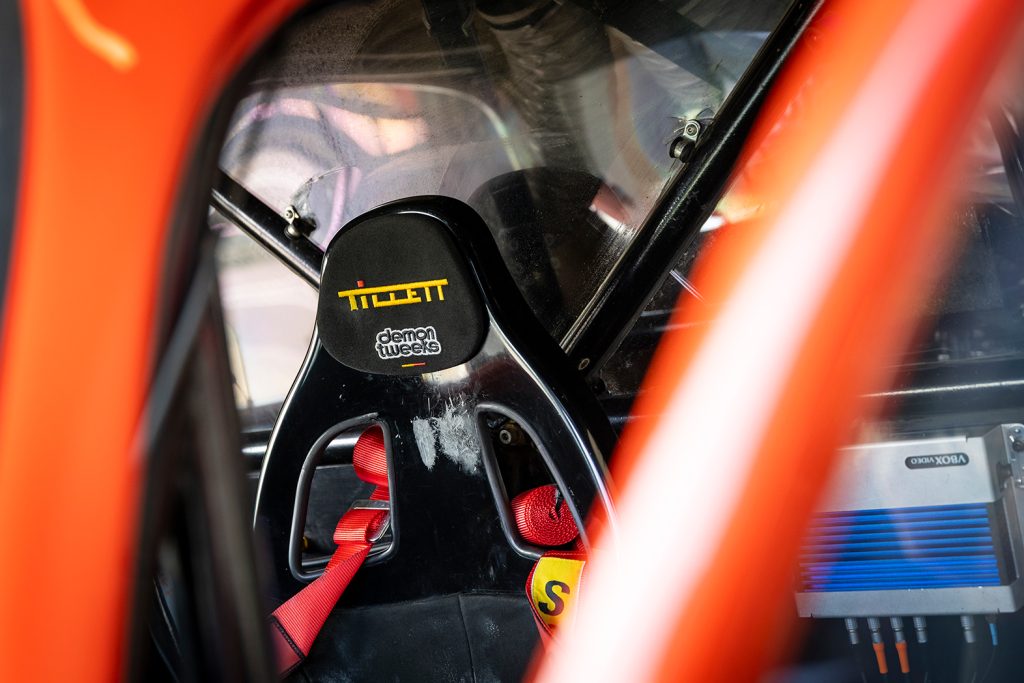
Compatibility, approval markings and expiry dates are just as important as the product itself. A seat, harness, extinguisher or other safety component may need to meet specific standards, work correctly with the rest of the vehicle and be installed in line with the regulations.
Your vehicle does not need to be the fastest thing in the paddock for a first event. It does, however, need to be safe, reliable and eligible for the class you are entering.
Paddock & preparation essentials
Now you have an idea of the equipment that should be prioritised for safety, it’s time to focus on the practical items to take to the pit and paddock. These aren’t always mandatory, but can help make your introduction into competitive events far less stressful.
As with the rest of your preparation, you do not need a fully equipped trailer on day one – but, you should be prepared enough to not rely on borrowing everything from elsewhere in the paddock. These essentials will help get you started to deal with routine checks, changing conditions and potential issues:
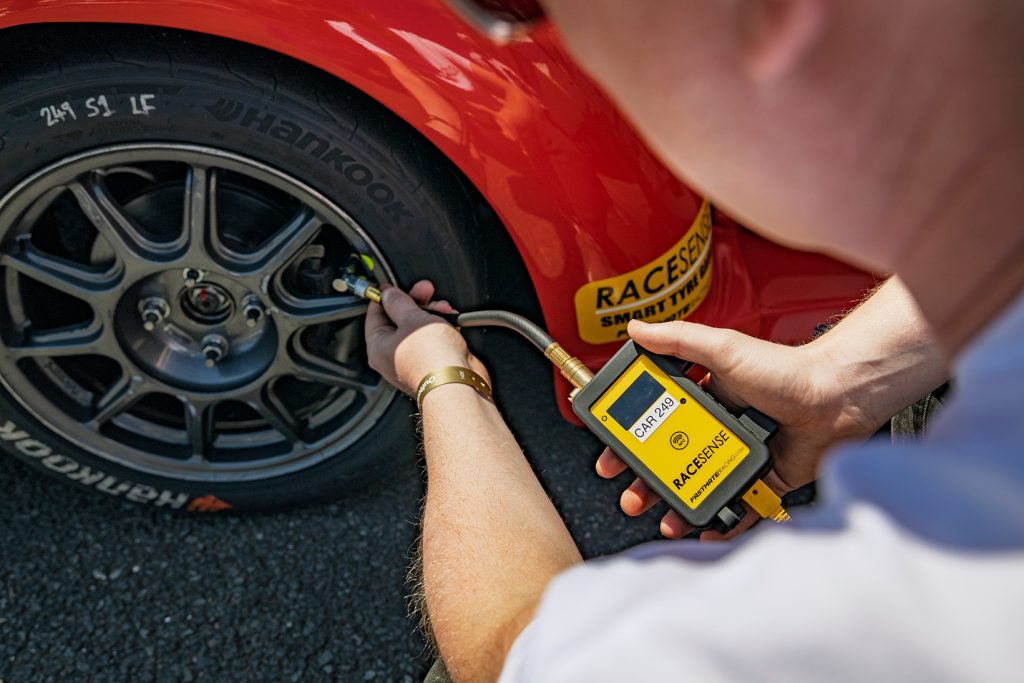
- Vehicle basics – basic tool kit, tyre-pressure gauge, torque wrench, fluids, funnel, battery charger and cleaning materials. If relevant to the vehicle, include a jack and axle stands or a kart stand.
- Paddock comfort – weather protection, food, hydration, warm layers/cooling items and storage.
- Spares and repairs – spare fixings, gloves, tape, cable ties, a torch and small repair items for minor problems.
It is also worth keeping event paperwork, a phone charger and somewhere to note tyre pressures or setup changes close to hand throughout the day.
What can usually wait?
Now, what can usually wait will still be dependent on your discipline, event regulations and level of competition. Some items listed elsewhere in this guide may sit on your “this can wait” list, while some of the purchases below could be required sooner for certain classes or championships.
Items that can often wait include:
- Advanced data logging or lap-timing systems
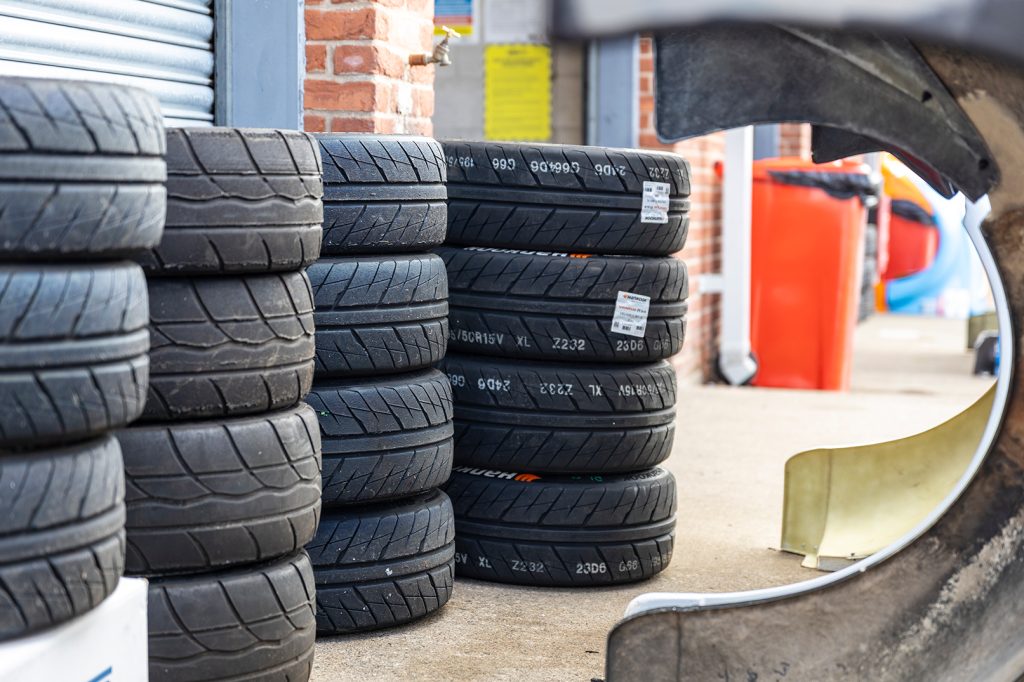
- Spare wheel and tyre sets
- Premium awnings, paddock furniture or large storage setups
- Multiple helmets, suits, gloves or boot sets
- Specialist setup equipment
- Large tool chests or non-essential power tools
- Cosmetic upgrades
- Performance modifications that are not needed for safety, eligibility or reliability
- Extensive spare-parts packages before you understand your class and vehicle
The key thing to remember is to plan your purchases around compliance, safety, fit and reliability first, before prioritising convenience, performance and refinement items.
What to avoid: Common mistakes
Hopefully this guide has assisted you in putting your shopping priorities in order, with safety and compliance at the top of the list. Before placing any orders, avoid these common mistakes that can lead to wasted money, unsuitable equipment or unnecessary stress before your first event.
Choosing before researching
The wrong class, event or buying timeline can create unnecessary cost before you have even reached your first event.
- Buying before choosing a discipline or class
- Assuming another competitor’s setup is right for your own class
- Leaving purchases until just before the first event
Getting safety kit wrong
Safety equipment needs to be suitable, compliant and properly fitted, not simply labelled as approved or bought at the lowest price.
- Assuming all FIA-approved kit is automatically accepted everywhere
- Ignoring approval labels or expiry dates
- Buying safety equipment based on price rather than fit
- Buying a helmet without considering FHR or intercom compatibility
- Choosing second-hand safety kit without checking its condition or history
Prioritising wrong purchases
It is easy to focus on visible upgrades while overlooking the practical items needed to compete reliably.
- Spending on power upgrades before safety and reliability
- Forgetting transport, storage, tools and consumables
Final thoughts…
Starting in competitive motorsport does not have to mean buying everything immediately. The smartest approach is researching and understanding what your chosen discipline actually requires. Then, you can structure your buying priorities and purchasing timeline to ensure you are safely set and ready for your first event.
Eager to start your browsing? Check out all we have to offer online or in-store!
Visit us: 75 Ash Road South, Wrexham Industrial Estate, Wrexham, UK, LL13 9UG
If you are ever stuck on anything, get in touch with our specialist motorsports team here at Demon Tweeks, you can:
Phone our sales team – 01978 664466
Or email – sales@demon-tweeks.com