
Every motorcycle rider depends on one thing more than throttle or balance: braking.
Whether you’re cruising slowly or pushing through corners, your brakes are the most important safety system on your bike. But how do they actually work? Why are discs more common than drums? And what exactly does ABS do when you slam on the brakes? In this guide, we’ll break down each component and explain each braking system that keeps you in control.
Key Components:
As mentioned above, there are three common braking systems used in motorcycles. These are disc brakes (front and often rear), drum brakes (mostly used on older or small motorcycles, usually on rear) and ABS systems (increasingly mandatory and standard). The majority of modern motorcycles use a single disc on the rear wheel and one or two discs up front, since the front wheel does the majority of stopping.
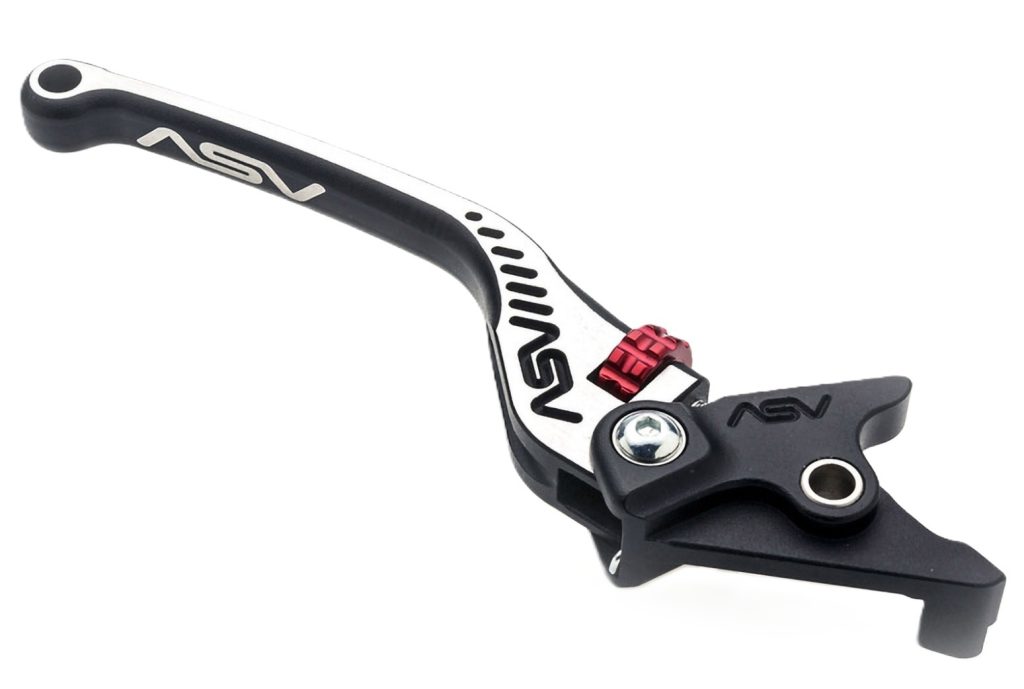
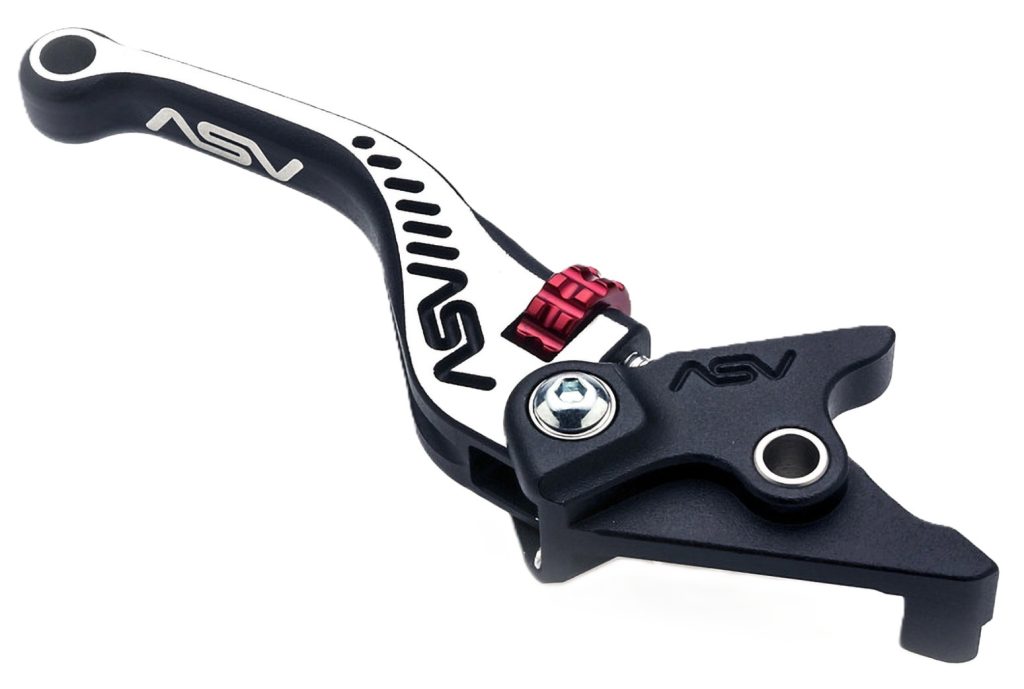
Brake lever
Braking starts long before the pads touch the disc – it starts with you pressing the brake levers first. Every motorcycle has two independent controls, the front brake lever and the rear brake pedal. The front one is found on the right handlebar, controlling (you guessed it), the front wheel. The rear pedal is again found on the right-hand side, but next to the rider’s foot, controlling the rear wheel.
Although both perform the same function (slowing the bike), they behave differently because of weight transfer. When you brake, weight shifts forward, so the front brake has more stopping power and grip. On most motorcycles, the front brake provides around 70–90% of the stopping force. Some motorcycles have linked braking systems, where pressing the rear pedal also applies some front brake pressure, but the principle remains the same.
When applying either brake your physical force moves the lever or pedal. This movement pushes a piston inside the master cylinder, then the piston pressurizes the hydraulic fluid, resulting in how much brake force is applied.
The lever also gives feedback to the rider and can suggest how your brakes are. A longer travel or spongy feel, suggests air or contamination, but a short, firm feel, usually means strong braking efficiency.
Brake fluid
While the brake lever is the input device, the fluid is the messenger. It’s the hidden medium that transmits your hand force to the brake caliper all the way through the journey mentioned above.
Brake fluid is hydraulic, why hydraulic fluid? Because brake systems rely on hydraulic pressure, brake fluid cannot be compressed. When you squeeze the lever, the pressure is transferred instantly through the fluid to the caliper pistons.
Brake fluid handles three critical duties:
- Transfer force: The system sends your lever movement into clamping power.
- Handle extreme temperatures: Braking produces a lot of heat, especially on the front wheel.
- Remain stable under pressure: The fluid must keep the same volume and viscosity during heavy braking.
This is why brake fluids have a boiling point rating (DOT 3, DOT 4, DOT 5.1 etc). If the fluid overheats and boils, gas bubbles form, leading to compression. That then causes spongy brakes, reduced stopping power and lever travel increasing before braking begins.
This is also why fluids need to be replaced periodically – they absorb moisture and degrade over time. Keeping your system up to date is integral, as brake fluid transfers your braking force, and the system only works properly if the fluid stays clean, sealed, and air-free.
Brake Lines
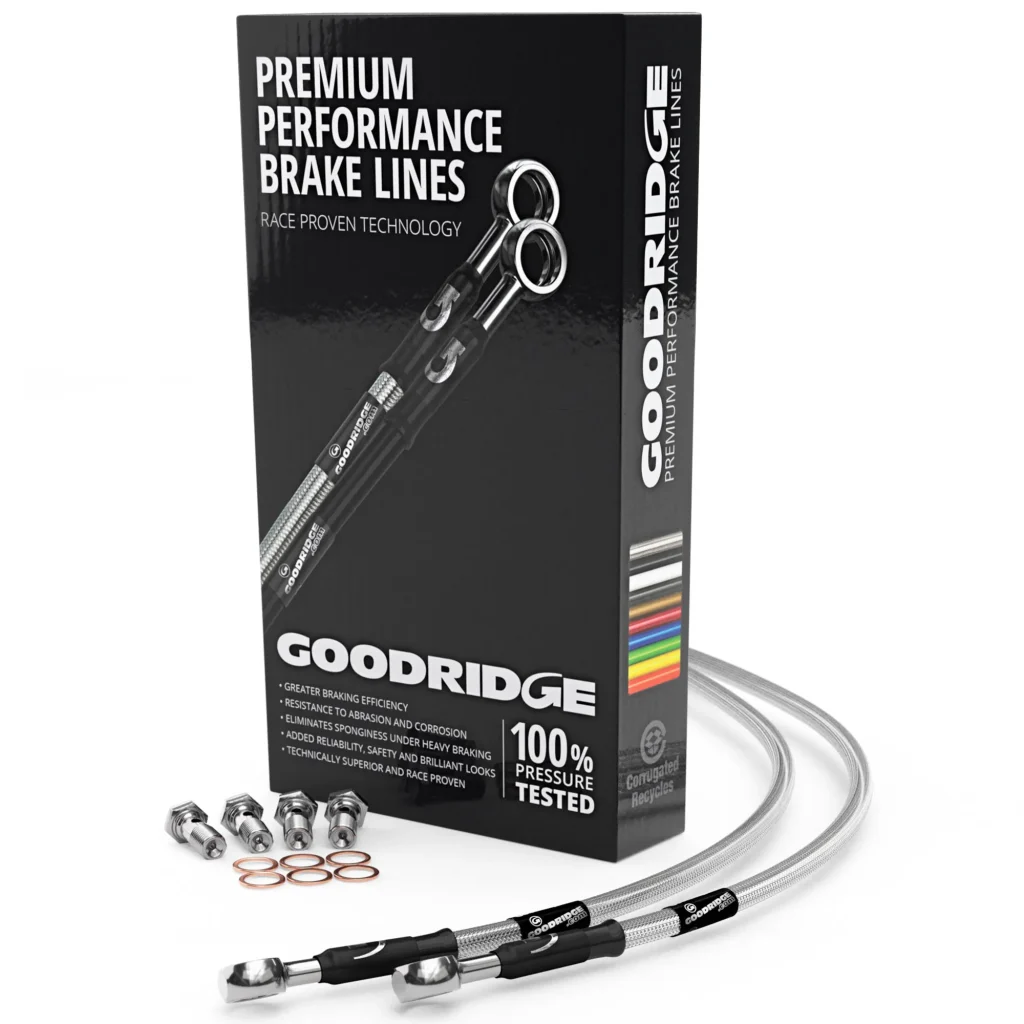
Brake lines are the pathways that carry brake fluid between the master cylinder and the calipers. They’re the arteries of the braking system, transferring pressure with as little loss as possible. When you squeeze the brake lever, the fluid travels through these lines almost instantly, so the quality of the brake lines has a big influence on how the brakes feel.
There are two common materials used in motorcycle brake lines, these being rubber and stainless steel.
Rubber brake lines: These are standard on most factory bikes, being flexible, affordable and easy to route. However, they can expand under pressure and heat over time. This expansion softens the brake feel and can make the lever spongy, especially on older bikes.
Braided stainless steel brake lines: These much more rigid lines consist of a Teflon inner core, with a steel braid wrapped around. They don’t swell under pressure, and provide a firmer lever feel with more responsive braking. Due to this, many riders upgrade to braided lines for performance or precision.
Why Brake Lines Matter
Because the braking system relies on maintaining hydraulic pressure, any expansion or degradation in the lines reduces braking efficiency. Upgrading or maintaining lines has a direct effect on:
- Lever feel
- Response time
- Heat resistance
- Overall stopping confidence
Also, brake lines should be inspected for cracks, leaks, or corrosion. A failure here is rare but critical, if a line fails, braking power is lost instantly. Brake lines carry hydraulic pressure from the lever to the caliper, so the quality and condition of the lines directly affect braking response and feel.
Calipers
The brake caliper is the powerhouse of the braking system. Once pressure from the brake fluid reaches the caliper, the real mechanical work begins.
A motorcycle disc brake caliper has:
- Pistons: cylinders that move when the system is pressurized
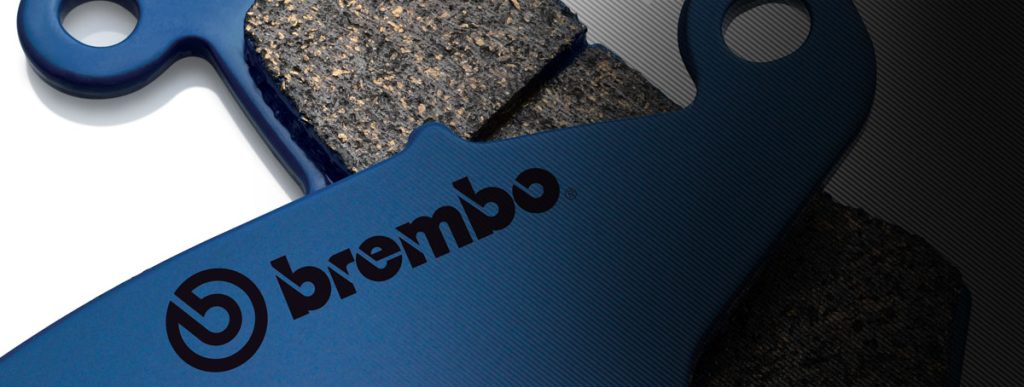
- Brake pads: friction material that makes contact with the disc
- Seals and fluid passages: channels that guide brake fluid and retract the pistons slightly after release
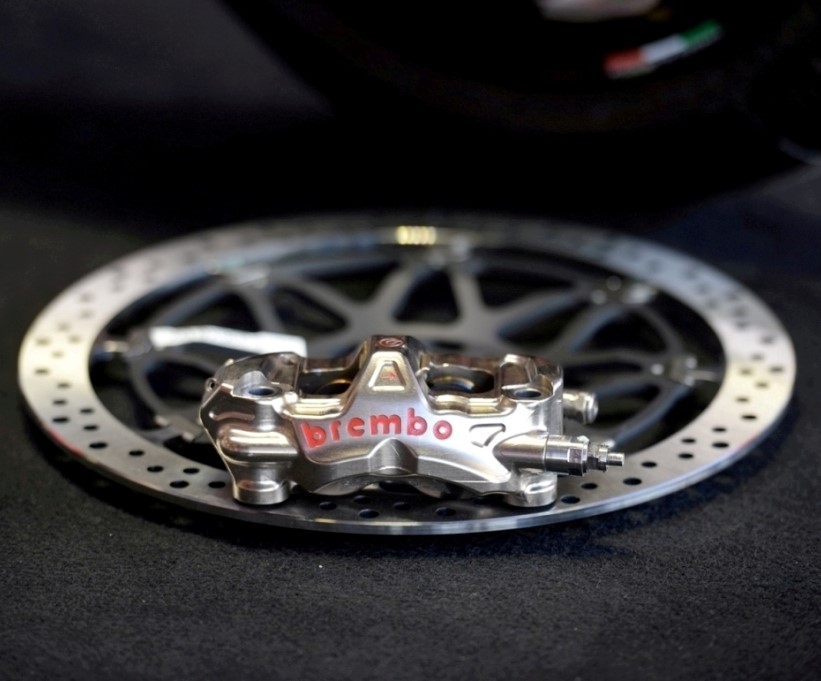
The caliper works firstly with brake fluid pressure pushing the pistons outward, with these pistons then pushing the pads against the rotating disc. The friction created between the two pads and disc, slows the wheel. The harder you squeeze the lever, the higher the hydraulic pressure, and the stronger the clamping force. There are two common caliper designs that you should know about:
Floating calipers: Most motorcycles use a floating (or sliding) caliper design. It only has pistons on one side of the disc, but the entire caliper slides on pins so it can pull the other pad tight against the disc. This setup results in reliable braking, fewer moving parts and easier maintenance.
Fixed calipers: Performance motorcycles often use multi-piston fixed calipers for stronger and more even pressure, while most everyday bikes use floating calipers for simplicity and lower weight.
Disc
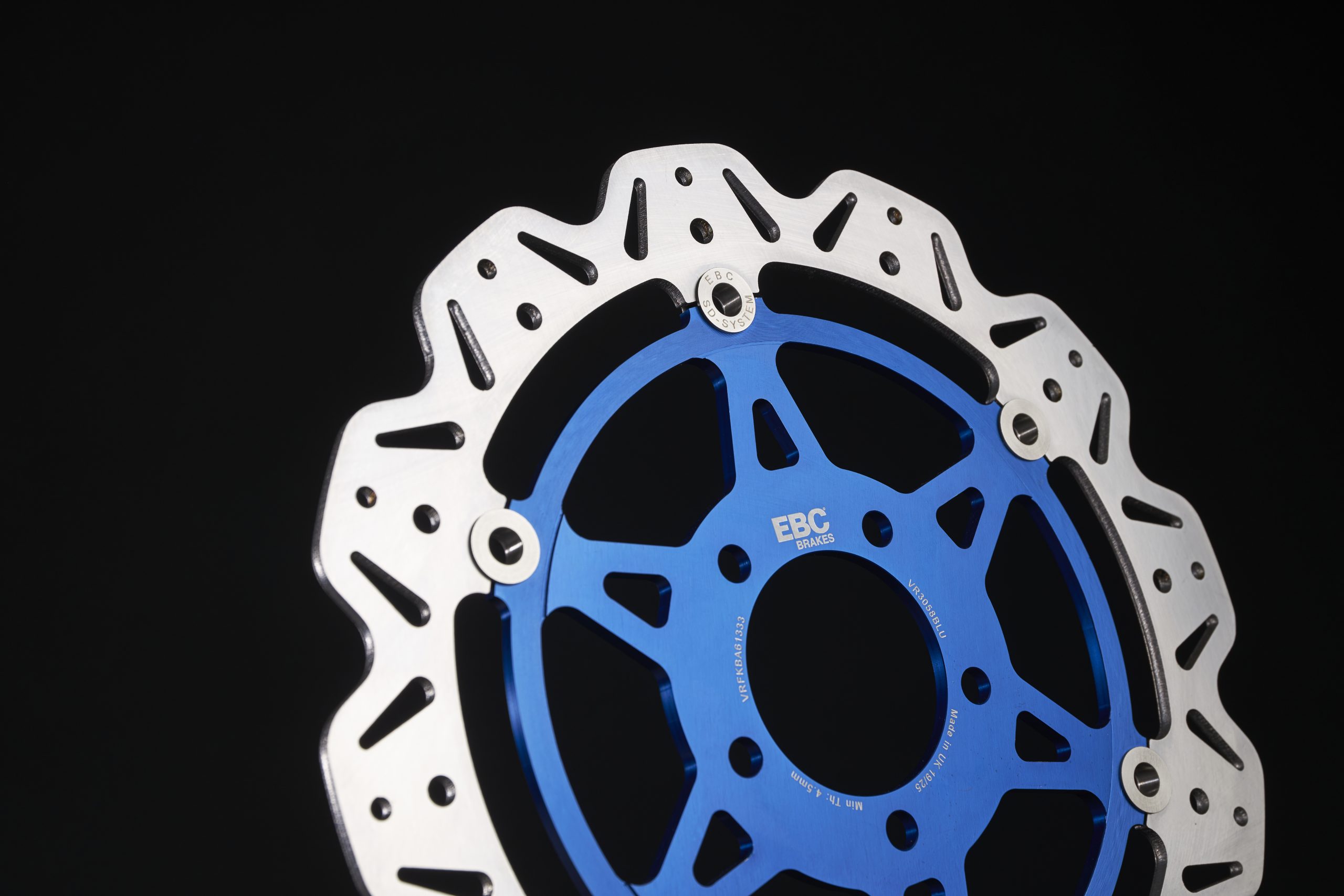
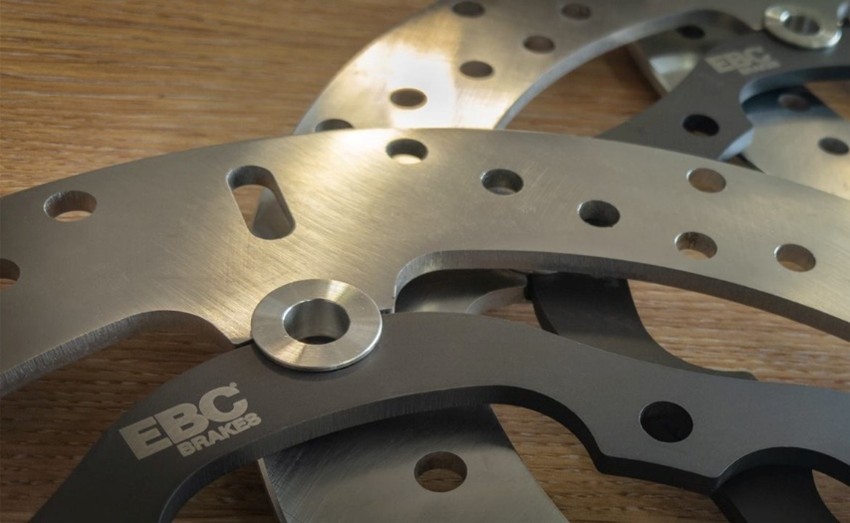
A disc (or rotor) is a circular metal plate bolted to the wheel hub. As the wheel turns, the disc rotates with it. The caliper clamps onto this disc to slow the wheel down. Most discs are made from stainless steel for durability and heat resistance. Motorcycles use a few different disc designs, each with a slightly different purpose:
- Solid discs: A plain round rotor. Simple and durable, often found on smaller or older bikes.
- Drilled discs: Have holes to reduce weight and help water escape in the rain. They also improve cooling.
- Slotted or grooved discs: Use channels that wipe the pad surface clean and remove dust and gas.
- Wave discs: Feature a wavy outer shape. These are lighter and cool quickly, often used on sport or off-road bikes.
And these different variations aren’t just for looks, they importantly reduce weight, improve cooling and channel away water and braking dust.
Activation
You provide the input, but the hydraulic system multiplies it – so a small squeeze equals a strong braking force. When you pull the brake lever, the master cylinder pushes brake fluid through the line. Pressure then builds instantly within the system, causing the pistons inside the caliper to move outward. This results in the brake pads squeezing the disc, creating that friction to slow down the wheel.
Hydraulic force
The braking force depends on three things; the lever you squeeze, the pressure created in the master cylinder, and the size and number of caliper pistons. Larger or multiple pistons mean more force pushing the pads onto the disc. This is why performance bikes often have bigger brakes or multi-piston setups.
Braking action
Once the pads grip the disc, friction takes over. The kinetic energy of the spinning wheel is converted into heat, the disc then releases that heat into the air as the bike slows down.
Disc brakes stay consistent because they shed heat well, don’t trap water, all whilst delivering a strong stopping power even after repeated use.
Drum
A drum brake uses a cylindrical drum attached to the wheel. Inside the drum are two curved brake shoes. When you apply the brakes, these shoes press outward against the inside surface of the drum to create friction. Drum brakes are an older but proven design, valued for their simplicity and low maintenance.
Activation
Most motorcycle drum brakes operate mechanically rather than hydraulically. When you press the rear brake pedal or lever a cable or rod pulls on an actuating arm. This arm rotates a cam inside a drum, forcing the brake shoes outward towards the drum surface.
The system is straightforward, durable, and easy to service—one reason it’s still used on small and commuter bikes.
Braking action
As the brake shoes press against the inner drum surface, friction slows the drum’s rotation, reducing wheel speed. The drum absorbs the generated heat.
While drum brakes work well at low to moderate speeds, they heat up faster than disc brakes and don’t cool as efficiently. They can also lose effectiveness if wet, which is why they’re typically reserved for rear-wheel use or lighter motorcycles.
Release
This mechanical return system is effective, but not as quick or precise as a disc brake’s hydraulic release, which can make drum brakes feel slightly less responsive.
When you release the brake pedal, return springs pull the shoes back toward their resting position. The shoes then disengage from the drum, allowing the wheel to spin freely again.
ABS
ABS is a safety system designed to stop the wheels from locking up during hard or sudden braking. When a wheel locks, it skids across the road instead of gripping it, which reduces control. ABS prevents this by allowing the wheel to keep rotating just enough to maintain traction and stability.
ABS provides several major advantages for riders:
- Shorter stopping distances on most surfaces, especially wet or slippery roads.
- Steering control is maintained, allowing the rider to brake and swerve at the same time.
- Reduced risk of wheel lockup, skidding, or losing balance during emergency stops.
How does it work
During braking, ABS constantly monitors the speed of each wheel using sensors. If the system detects that a wheel is slowing down too quickly, an indication that it’s about to lock, it steps in automatically.
The ABS control unit detects the potential lockup through the sensors. Following this, the unit momentarily reduces brake pressure, then immediately reapplies pressure once the wheel is stable again.
This rapid cycle of release and reapply happens many times per second, creating the pulsing sensation sometimes felt at the lever or pedal. The result is strong braking without losing grip.
Engine braking
Engine braking is the natural slowing effect that occurs when you roll off the throttle and let the engine’s internal resistance reduce the bike’s speed. Instead of using the brake lever or pedal, the engine itself creates drag. Riders commonly use engine braking when approaching corners, descending hills, or making smooth speed adjustments without touching the brakes.
How does it work
When you close the throttle the engine receives less air and fuel. This causes a vacuum and increased internal resistance, which causes the rotating engine parts to slow down, creating drag. That drag then transfers through the gearbox to the rear wheel, reducing speed.
This creates a controlled deceleration that can help stabilise the bike. Modern motorcycles often use slipper clutches, which allow the rear wheel to partially freewheel during aggressive downshifts. This prevents wheel hop or skidding when the engine speed suddenly drops lower than the wheel speed.
Conclusion
Understanding how your motorcycle’s braking systems work, whether it’s the precision of disc brakes, the simplicity of drum brakes, the safety of ABS, or the natural control of engine braking, helps you become a more confident and capable rider. Each system plays a unique role in keeping the bike stable and responsive, and knowing what’s happening beneath you allows you to brake smoother, ride safer, and make better decisions in every situation.
Whether you’re a new rider learning the basics or an experienced one refining technique, mastering your brakes is one of the most valuable skills you can develop on the road.
Looking for the latest motorcycle parts and accessories perfect for your rides? Check out our wide range from top brands.
Come and visit us at our store, showroom and fitting centre in Wrexham, and explore the wonderful roads North Wales has to offer.
Want to know more about our story? Learn about who we are and why we’ve been driven by passion for over 50 years.
Interested in everything we do? Catch up on all the latest Demon Tweeks news.