

For many drivers, karting is the first real taste of motorsport. Whether that racing ambition was already there from a young age, or it was introduced at the first visit of a kart track, the experience of close racing, basic racecraft and motorsport buzz is always shared.
But, once interest grows past the occasional visit, the fun half-term session or the more focused weekend commitment – the next step is not always obvious. Do you keep booking rental kart sessions? Join an indoor or outdoor racing league? Visit a local kart club? Or start looking at owner-driver karting, where you run your own kart and compete more seriously?
This guide looks at the UK karting pathway from casual arrive-and-drive sessions through to owner-driver competition. Rather than covering every kart type in detail, it focuses on how the journey can develop, what changes as you move up, what kit you may need, and the steps worth taking before investing in your own equipment.
If you are still getting to grips with kart racing, our separate blog – The Different Types of Kart Racing explains the main karting categories and formats in more detail.
Why karting is one of the best ways into motorsport
What makes karting such a strong entry point is how much it teaches before the speeds, costs and complexity of larger motorsport categories come into play. Even at a casual level, drivers begin learning the basics of braking, racing lines, consistency, overtaking, racecraft and awareness around other drivers.
It is also one of the few areas of motorsport that can grow with the driver. A young beginner might start with supervised indoor sessions, while an adult beginner could use arrive-and-drive racing as a low-commitment way to build confidence. From there, the route can develop into more structured rental championships, local club karting or owner-driver competition.
For those who want to take the next step, Motorsport UK provides a recognised pathway into licensed karting through clubs, starter packs, licences and competition guidance. Additionally, championships such as the British Kart Championships show how far the discipline can go, with many successful drivers using karting as a foundation before moving into other forms of motorsport.
However, that does not mean every driver needs to chase a national championship. The universal strength of karting is that it can be shaped around the driver’s age, budget, commitment and ambition.

Starting with arrive-and-drive karting
The most common starting point for new drivers is arrive-and-drive karting. This is where you book a session, turn up at the venue and use the kart and safety equipment provided by the circuit.
For beginners, it is a low-commitment way to experience karting without needing to own a kart, buy specialist equipment, arrange transport or think about storage. Sessions can vary by venue, but they are often run as practice sessions, lap-time challenges or Grand Prix-style events with heats and finals. Indoor venues are often convenient and accessible, making them a great first step, while outdoor circuits can feel closer to traditional motorsport thanks to higher speeds, changing weather conditions and more open track layouts.
Although these sessions are casual, they still help build useful experience. For those who start attending more regularly, structured leagues or competitions can provide a more competitive next step, with categories for cadets, juniors, teens and adults.
At this stage, you still do not need to rush into buying everything. However, regular drivers may benefit from owning personal gear like karting gloves, a balaclava or an approved helmet, offering improved fit, comfort and hygiene.
When are you ready to take karting more seriously?
There is no set point where casual karting suddenly becomes competitive karting. For many drivers, the next step comes naturally once occasional sessions turn into something more regular, and the focus shifts from simply enjoying the experience to improving every time you drive.
You might be ready to take karting more seriously if you are starting to chase consistent lap times, learning from each session, looking for stronger competition or wanting to race against the same group of drivers more often.
But, that doesn’t mean that the next step is to buy a kart, storage and transport straight away, especially on top of all of the other equipment that would need to come with that level of commitment. In most cases, it is better to build more seat time first, then explore structured rental leagues, outdoor karting, local clubs or beginner-friendly competitions. This gives you a clearer idea of the level of commitment, cost and preparation involved before investing in your own equipment.
The key is to progress at the right pace. Karting can become as serious as you want it to be, but the best route is usually gradual; drive more often, understand your options, speak to clubs or organisers, and only then decide whether owner-driver karting is the right next step.
The main routes beyond casual karting
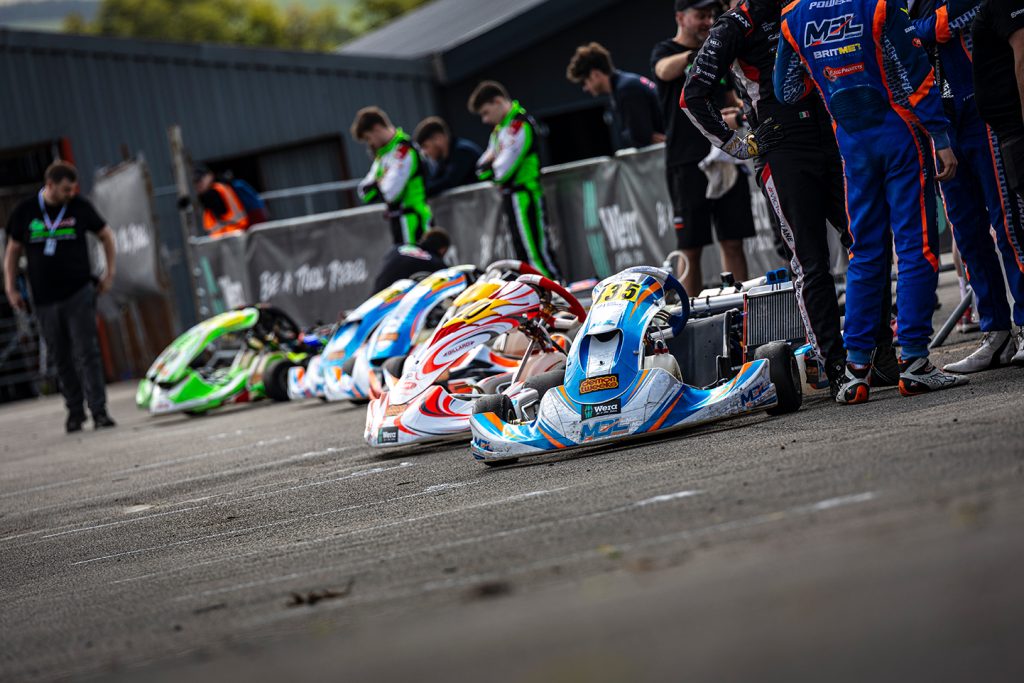
Once you are ready to move beyond occasional arrive-and-drive sessions, there are a few different routes to consider. The right option will depend on age, budget, location, confidence and how serious the driver wants to become.
Structured rental racing:
This is often the easiest next step. It could be an indoor league, outdoor hire-kart championship or arrive-and-drive series where the karts are still provided, but the racing is more organised and competitive.
It is a good option for drivers who want closer racing without the commitment of owning, transporting and maintaining their own kart. As the racing becomes more structured, drivers may also be required, or prefer, to invest in their own approved racewear for improved comfort, consistency and personalisation.
Owner-driver club karting:
This is where the commitment increases. You are either buying or running your own kart and competing within a specific class.
Before taking this step, it is important to visit local clubs, understand which classes are popular, check the regulations and make sure you choose the right kart for the category you want to enter.
Regional or national competition:
For more committed drivers, karting can progress into regional or national competition. Championships such as the British Kart Championships sit further along the pathway and are aimed at drivers who are ready for a higher level of preparation, travel and competition. This is not usually the first step after casual karting, but it shows how far the route can go.
The important thing is not to rush the process. Structured rental racing can be the right next move for some drivers, while others may be ready to explore local clubs and owner-driver competition.
Your next steps towards competitive karting
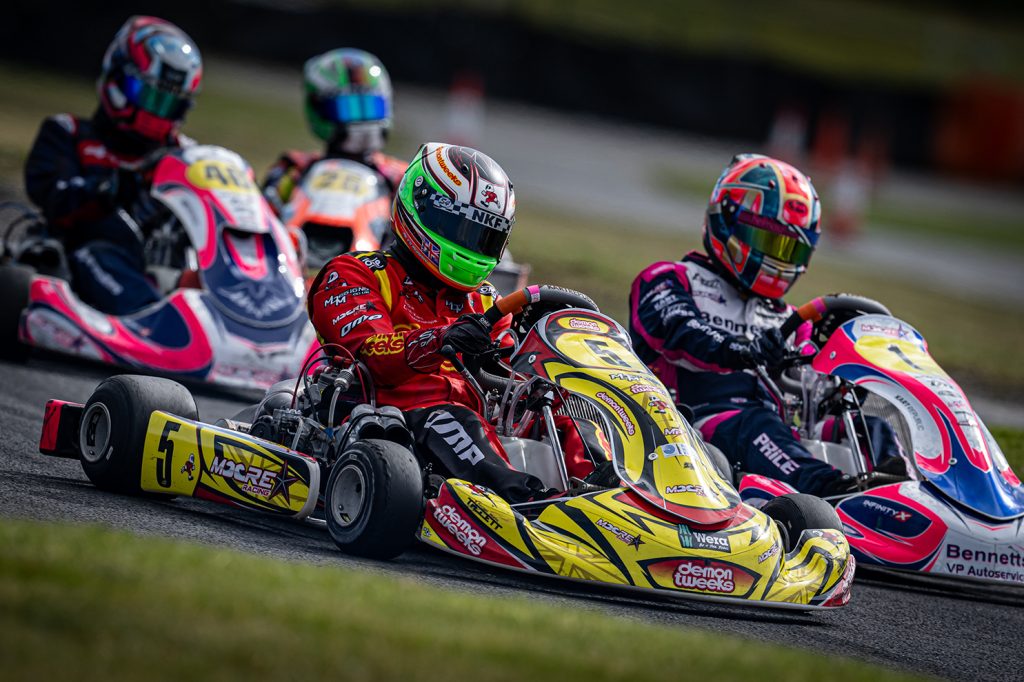
Once you have considered the different routes available, the next step is to build a clearer picture of which options suit your age, budget, location and level of commitment. Moving into competitive karting does not need to happen all at once, and taking the time to research the pathway can prevent expensive mistakes later.
Build seat time:
Before committing to a kart or championship, continue building experience through arrive-and-drive sessions, rental leagues or outdoor karting. More seat time will help improve consistency, confidence and racecraft, while also confirming whether the interest is likely to last.
Trying different venues and formats can also be useful. Indoor and outdoor karting each offer a different experience, while structured rental racing introduces closer competition without the responsibility of owning and maintaining a kart.
Visit a local club and choose the right class:
If owner-driver karting is the goal, visit a local kart club before buying anything. Watching a race meeting and speaking to drivers, teams and organisers will give you a much clearer understanding of the classes being run, the level of competition and the commitment involved.
Choosing the class before choosing the kart is essential. Age, driver weight, experience and local participation can all influence which category is most suitable. Buying first and researching later can leave you with equipment that is not eligible, competitive or widely supported at nearby clubs.
Check licences and regulations:
Drivers progressing into Motorsport UK-regulated competition may need club membership, the relevant competition licence and an ARKS test. The exact requirements will depend on the driver’s age, class and chosen championship.
Before entering, check the current regulations covering safety equipment, kart eligibility, licence grades and race procedures. Regulations can change, so use the latest information from Motorsport UK, the club and the championship organiser rather than relying solely on older advice.
Plan your personal kit and safety equipment:
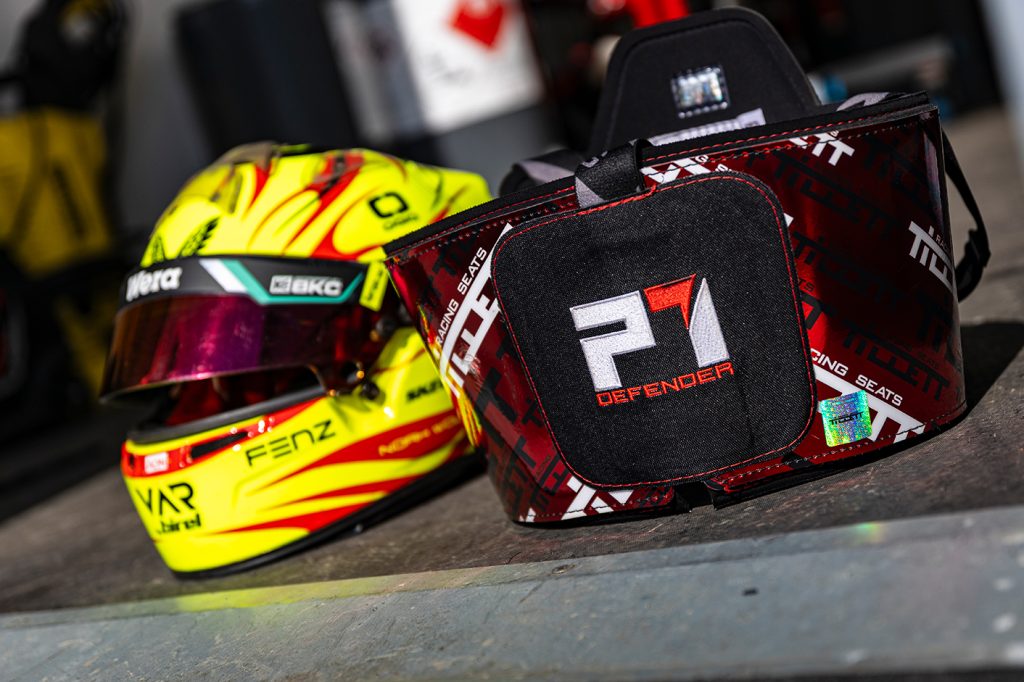
Personal racewear becomes increasingly important as karting becomes more competitive. Depending on the class and regulations, this may include an approved karting helmet, suit, gloves, boots, rib protector and wet-weather clothing.
Fit is just as important as approval. A helmet should be secure and comfortable, while suits, gloves and boots need to allow free movement without becoming distracting. Check the relevant standards before purchasing, particularly for junior drivers and licensed competition.
Prepare for maintenance, tools, storage and transport:
Owner-driver karting involves much more than the kart itself. You will need to consider routine preparation, maintenance, spare parts and how the kart will be transported and stored between events.
Useful equipment may include a kart trolley or stand, basic tools, a tyre-pressure gauge, spare fixings, kart maintenance products and suitable storage for racewear and components. You should also budget for tyres, fuel, entry fees, repairs and ongoing maintenance.
Understanding these practical requirements before buying makes the move into owner-driver karting far more manageable and gives you a more realistic view of the overall commitment.
Final thoughts
Karting can be as casual or competitive as you want it to be, from occasional arrive-and-drive sessions through to rental championships, club karting and owner-driver competition. The key is to progress at the right pace, build experience, explore local clubs and understand the commitment before investing in a kart or full set of equipment.
When you are ready to compete, our Walkthrough Guide: Your First Kart Race Meeting explains what to expect on the day. Here at Demon Tweeks, we offer a Sponsorship Scheme open to competitors across a wide range of motorsport disciplines, including all forms of karting.

Looking for the latest karting parts and accessories? Check out our wide range from top brands.
Come and visit us at our store and showroom in Wrexham, where you can find a wide range of all of your required karting racewear.
Want to know more about our story? Learn about who we are and why we’ve been driven by passion for over 50 years.
Interested in everything we do? Catch up on all the latest Demon Tweeks news.